Somm's Table

Perfect pairings from the other side of the equation.

  • About
  • Front of the House
  • Back of the House
  • Contact Us
Powered by Blogger.

Wine selections to pair with summer fun and fabulous memories.


Sunny, summer days require particular wines. Moreover, the criteria that go into selecting wines for easy, breezy days whether they’re spent by the water, picnicking, or on an outdoor adventure, are very different than what’s needed at other times of the year. I take this selection very seriously, and criteria number one is that the wine has to be fun! 

Certain types of wines just naturally step into the role of a party starter. Bubblies, crisp whites, and chillable reds call to me and say “hey, let’s have a good time!” Packaging and closures also play more of a role at this time of year than at any other. I want it to be as easy as possible to get at that vino, so screw caps, bottle caps, and portable packaging like cans are extra desirable. If a wine can combine elements from both of these camps, well, there’s a summertime winner!

Today, I’m rounding up five favorite summertime wines that combine some of these attributes, plus a bonus extra, to inspire more good times. All of these have wonderful memories attached to them, which of course, makes me love them even more. 

I will note that in the Bay Area, “summer” kind of pops in and out throughout the year, not always in the actual summer, and definitely stretching way into the fall, so the memories shared here kind of take that looser interpretation of the season. 


Sparkling Wine + Bottle Cap: Carboniste Sparkling Pinot Noir and Albariño

Price: Both $28

Carboniste makes some of my very favorite “happy day” wines. Dan and Jacqueline Person are the husband and wife team behind Carboniste, and they bring a fresh perspective to sparkling winemaking. As described on their website, they “are dedicated to making sparkling wines that are modern and reflective of grape and place.” Most of their bubblies are made in the traditional method, but they want the quality of the fruit to take center stage rather than the toasty notes that come from autolysis. 

This is even more true for their “critter line.” In the case of their Octopus Sparkling Albariño and Sea Urchin Sparkling Rosé of Pinot Noir, the wines are made in the traditional method, but they only spend a few months on the lees after being bottled (4 months and 2 months respectively), so that what you’re tasting is really bright fruit. Don’t get me wrong, I love the toasty notes in other traditional method sparkling wines, but these wines are just so likable and full of personality. They’re both dry and crisp but are also bursting with fruit. In the case of the Pinot, it’s cherries, strawberries, guava, and watermelon rind, while the Albraiño tastes of peaches, lemon, and sea spray. It’s a sunny day at the beach in a bottle.  

If you invite me to a pool party in the summertime, there’s a very good chance that I will show up with one of their bottles. They were with me at two of the funnest pool parties I’ve been to in recent years. The rosé came with me to a pool day a group of my girlfriends planned for my 40th birthday, and the Albariño came along to a pool weekend getaway we had with several couples that was full of giggle fits.


Carboniste’s bottles are also under crown bottle caps, so it takes all of about 5 seconds to get at that tasty juice.


Additional details for the Pinot Noir here and for the Albariño here.

As another alternative, Pét Nats  also fit bill quite nicely.


Crisp White + Screw Cap: Nortico Alvarinho

Average Price: $15 


I love an impromptu dinner party. A pool day that magically turns into a dinner party is even better. Last summer, Greg’s brother Dave and his wife Julia were staying at a house with a pool and they invited us over to hang out for the day. Once the sun started to go down, we all drifted inside to make dinner. The last thing you want to do in a situation like this is to deal with a fussy, complicated meal. You want it to be fresh, delicious, and easy. I set about making a Caprese salad while Dave made a delicious and incredibly simple shrimp dish, and we grilled some bread to accompany it all. So delicious, so easy. You’ll find a non-recipe for the shrimp at the bottom. 


The food and the occasion were all calling for a crisp white wine to pair alongside, so I cracked open a bottle of Nortico Alvarinho Minho 2019 from Portugal. It’s basically a Vinho Verde (which covers the same territory as the DOC of Minho), but I suspect the production method put it outside Vinho Verde regulations. For one, this wine is completely still and has no added CO2, which is often the case for other Vinho Verdes. The goal here is to achieve and richer style, although the wine is still very crisp and bright, full of notes of peaches and citrus. It’s 100% Alvarinho – and as you might guess, Alvarinho/Albariño is one of my favorite summer grapes. 

It was perfect with our dinner, but for more pairing ideas, the winery gives the following additional recommendations: “Have it simply with corn bread and butter like country folks do in Portugal. Also a terrific seafood wine, particularly with salty, fattier dishes like fish tacos or broiled oysters.” All perfect summer fare.

The grapes are sustainably grown and you can find additional details here. 

Find more related to Albariño here and here, and Vinho Verde here. Txakolina and Riesling are two more summer favorites. 

Rosé + Screw Cap: August Kessler Rosé 

Average Price: $20 (Sample)


I’m not sure it’s possible to get through the summer without rosé. Can you even call it summer if there is no rosé? I make no bones about the fact that I love rosés in many styles and from around the world.  I find that versions from Austria and Germany, like this August Kessler Pinot Noir Rosé Rheingau 2018, often have a little extra bouncy, bright quality to the fruit. This one had notes of strawberries, cherries, and a touch of peach. Bonus, screw cap for easy opening is par for the course with a lot if not most rosés from these countries. 

I enjoyed this one while sprawled out on the lawn gabbing with girlfriends on the lawn at the Culinary Cabin at Lake Tahoe. 

Find additional details on the wine here. 


For just a few of my many rosé-related posts, check out:

  • 2 oz Pours: Looking at the World Through Rosé Colored Glasses
  • Cooking to the Wine: Ultimate Provence Urban Rosé with Herbed Sous Vide Chicken Breasts and Roasted Eggplant Sheet Pan
  • 2 oz Pours: Rosé After Labor Day
  • Cooking to the Wine: Acquiesce Grenache Rosé with a Glazed Stuffed Pork Loin Roast (And A Visit to the Winery)

Chillable Red: Tessier Winery Soul Love 

Price: $30


I’ve shared wines made by friend Kristie Tacey of Tessier Winery before (read my interview with her here), and I love her wines in general, but in the last few years she’s added a small collection of what I lovingly like to refer to as “trippy wines” and I LOVE these. Her chillable red Soul Love is one of the trippiest and has been one of my very favorites since she started making it three years ago. The blend changes a little bit every year. The 2020 vintage pictured above was a blend of Riesling, Trousseau, and Mourvedre, while the 2021 is made up of Riesling, Mourtaou (aka Cabernet Pfeffer) and Merlot. As the blend changes, the flavors change as well, and it’s always a bit hard to describe, but let’s go with a super chuggable, magical fruit punch of strawberries, guava, berries, flowers, a hint of pineapple, and citrus fruits. (The 2021 also has a bit more tannic grip on the finish.)

This is another “happy day” wine for me that I’ll reach for during fun times or when we’re just hanging out and I happen to be in a particularly good mood. It pairs pretty easily with lots of foods. I’ve had it match easily with a roasted chicken topped with everything from a slightly sweet soy-chili glaze, bool kogi beef, pizza, and it’s even not half bad with buffalo chicken wings – not an easy food to pair. 


Chillable reds are pretty great that way. They pair with a lot of foods you really want a red wine with, but without all the heaviness that goes with a big red wine. I don’t know about you, but I typically just can’t stomach a big, alcoholic red when I’m standing around in the sun.  There are a lot of grapes that generally can take a light chill – Gamay, for example – but nowadays you can also find lots of great examples from winemakers deliberately making wines for this purpose. A lot of times, they’re crazy blends like this one, or sometimes they’re single-variety wines made in a style that sits between rosé and typical versions they might make from that grape.

On her website, she describes it as her  “glou glou” wine (it is!) and  “is a tribute to David Bowie and the ideal picnic wine.”

All of Kristie’s wines are vegan, made from sustainably grown grapes, and natural. More info here.

My friend Adriana and I recently helped pour at one of Kristie's release parties at a rooftop venue here in Oakland. The "trippy" wines were center stage and tasting fabulous.

For more chillable reds, check out:
  • Valentine's Date Night with Broc Cellars Love Red & a Cheese Plate 
  • Cooking to the Wine: Pezzuoli Lambrusco Grasparossa di Castelvetro with Antipasto Pizza
  • Cheese, Charcuterie, Ciabatta & Praesidium Cerasuolo (Cerasuolo is technically a rosé, but I think it fits in here well.)


Cans: Maker Wines 

Prices Vary.


It’s really hard to beat a canned wine for portability and convenience. They’re also perfect to pack out for a stealthy drink, when you don’t want to open a whole bottle, and/or when you don’t want to deal with glass. It’s lucky that there are more and more producers making quality versions. And then there are some trying to take it to the next level. Enter Maker Wines. This female-run company has a great mission: 

We started Maker to offer premium wine sans the snobbery. To highlight interesting varietals crafted by award-winning small producers. To tell the story of the producer that hand crafted your wine. And to package up “wine for one” in earth-conscious cans. Because we believe high-end wine isn’t just for the wealthy, distribution shouldn’t just be for the big guys, and great stories—like great wines—are meant to be shared.

Basically, they partner with quality small producers and package their wines in sleek cans,  and tell their stories via their website and info provided packaged with the wines. Even better, a lot of the wines are made from sustainably farmed grapes and/or are made by women, LGBTQ, or minority winemakers, and the info is clearly listed on the website.  The rosé pictured, which had notes of cherries, tangerines, and flowers, and the Sparkling Sauvignon Blanc – which I really enjoyed, but isn’t pictured –  were made by Chris Christensen of Bodkin. The Chenin Blanc, which had notes of white peaches, honeysuckle, and lemons is made by Colleen Sullivan Clothier of Revolutions Wines. 

We enjoyed these cans of their Rosé and their Chenin Blanc on a walk while taking in an AMAZING sunset while staying just outside Joshua Tree.


Find more on canned wines here and here.


Bonus Round: Mommenpop Blood Orange Spritz!


Price: $38

I brought back a spritz’n habit from our trip to Italy a few years ago. Thoughts of enjoying them on various piazzas at sunset around the country are among my favorite memories of our trip. I still continue to drink them throughout the summer. It’s fun to give them a twist by playing with different vermouths and bitter aperitifs. I love the Mommenpop line of aperitifs made by Samantha Sheehan, the winemaker of Poe and Ultraviolet (I recommend both),  and her husband designer Michael McDermott. They use a lot less sugar than most versions you’ll see out there and they don’t add any dyes. My favorite is the Blood Orange, but they’re all really delicious. 

We drank these with Dave and Julia by the pool on the same day the Nortico Alvarinho up at the top.

Cheers to a happy summer!  

*****

*****

The rest of the Wine Pairing Weekend Blogging Group (#WinePW) is exploring summer sippers this month. Check out the rest of their posts: 

  • Camilla’s posting “A Casual Feast and Canned Wines: Bo Ssäm + Two Shepherds' 2021 Maxzilla Piquette” at Culinary Adventures with Camilla
  • Wendy is “Sipping Rosé and Enjoying Summertime” at A Day in the Life on the Farm
  • Terri’s got “Summer Time Canned Sparkling Prosecco and Pepperdew Bites” at Our Good Life
  • Gwendolyn’s going with “Orange Wines for Summer Times from Austria, Mexico, Oregon, Paso Robles” at Wine Predator
  • Jane offers “Summertime Nibbles with Prosecco” at Always Ravenous
  • Andrea is “Sipping Pretty this Summer with Emir and Trail Mix” at The Quirky Cork
  • Jeff says “Add Some Pop! to Your Summer of Rosé” at Food Wine Click!  
  • Kat insists “Schiava is the Perfect Summer Red Wine for Grilling” at The Corkscrew Concierge
  • Finally, Linda serves up “Washington Pinot Gris for chilling on a lazy summer afternoon” at My Full Wine Glass  
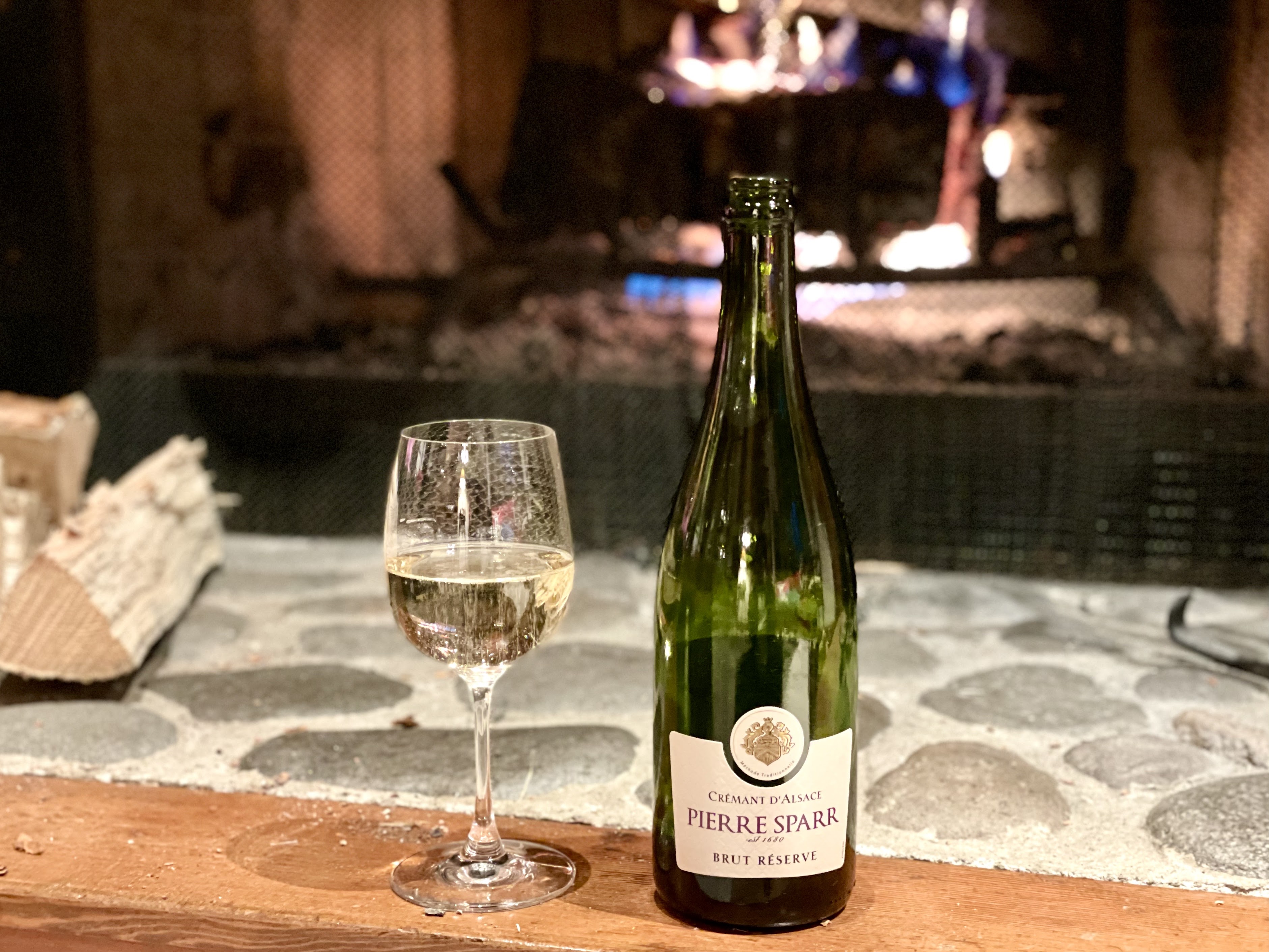
A bottle of rich Cremant d'Alsace from Pierre Sparr makes an excellent accompaniment for an elaborate cheese and charcuterie spread.


This bottle was provided as a media sample. As usual, all opinions are my own and no other compensation was received. 

We’ve started an accidental trend of bringing bottles of Cremant d’Alsace on vacations. Last year I shared two bottles that went on the road with us, and we recently continued the tradition by taking a bottle of Pierre Sparr Cremant d'Alsace Brut Reserve to share with friends at the Culinary Cabin in Tahoe. 


Our trips to the Culinary Cabin are epic feasts that go on for days. Occasionally, our friends Lucy and Drew invite us, along with a few other friends, to their family’s vacation house for little getaways that basically turn into cooking camp where we all switch off making amazing meals. In addition, there are often some pretty delicious cheese hours – happy hour, but with cheese. Our friends Dee and Drew joined in on the most recent trip, and these two turn out some phenomenal cheese spreads. (That’s not a typo, they’re both Drews. We refer to them as Northern Drew and Southern Drew respectively based on where in the state they live.) When combined with the tidbits and extra treats that the rest of us added in, the cheese hours were taken to another level this trip. 


In addition to a slew of cheeses, we also had quite a bit of charcuterie, condiments, and other goodies like olives on the table. On the night we opened the bottle of Pierre Sparr, Northern Drew also conjured up a couple of extra appetizers with the other guys as sous chefs to enjoy including crispy chicken skin, roasted mushrooms, and saucy tomatoes with grilled bread. There were also  two pots of rillets on the table, one made of rabbit and one of the pork rillets I shared in this post.  (I can now affirm that these freeze quite well.)  In the end, this cheese hour was so abundant that it completely did away with the need for dinner. 


Pierre Sparr Cremant d'Alsace Brut Reserve

12.5% ABV | Average Price: $21 


I’ve shared quite a few bottles of Cremant d’Alsace here over time, so I’m not going to go into a long description here, but very simply put, Cremant in sparkling wine that is made in the style of Champagne (aka traditional method or méthode traditionnelle) that come from regions other than Champagne. In this case, the wine comes from Alsace in northeastern France. 

Image borrowed from Pierre Sparr's website.

Maison Pierre Sparr has a long history spanning many generations. The family’s winemaking origins date back to 1680 under Jean Sparr. Starting in 1785, François Pierre Sparr began increasing the vineyard holdings. Jump ahead a few generations, and Charles Sparr turned his attention to developing the business, trade, and winery’s wine aging practices. His son, Pierre, became the head of the company at the age of 20 and developed the business further, and became a pioneer in estate bottling in Alsace. His motto was: “invest, progress and maintain.”

Map borrowed from WineFolly.com.

Alsace was one of the French regions most devastated by the World Wars due to its location right on the border with Germany. The domaine’s vineyards were completely destroyed during WWII. Pierre Sparr worked very hard to rebuild the domaine back to its previous prestige. His sons René and Charles continued the work and increased the vineyard holding and developed European markets for the company. The winery is now in its 9th generation in the family, and they have Corinne Perez as the current winemaker.

Today the domaine owns 15 hectares of vineyards, and they source from an additional 130 hectares supplied by well-experienced winegrowers. I couldn’t find much on the winery’s vineyard practices, however, their site does note that they do not use chemical fertilizers and they limit their yields for quality control. 

Image borrowed from Pierre Sparr's website.

Their Cremant d'Alsace Brut Reserve is a blend of 80% Pinot Blanc and  20% Pinot AuxerroisGrapes for this wine are whole-cluster pressed, with the varieties being handled separately. The wine is fermented and held in stainless steel tanks, then the still wines are blended and bottled, and then the wine spends 12-16 months on the lees before release. Find tech sheet on this wine here and here for additional details.

I found this to be a rich style of Cremant d’Alsace with lots of baked pear and apple notes. On the nose, there were pretty floral notes as well. On the palate, there were also flavors of toasted nuts and honeyed mead-like notes, at the front, and then move into fresher notes of lemon towards the mid-palate and finish. There was a creamy feel to the texture of this wine. 

This was generally a very friendly wine when it came to pairing. I can’t think of anything it clashed with on our extensive cheese and charcuterie table. Sparkling wines in general tend to pair well with fried foods, and following in that tradition, this wine paired really well with the crispy chicken skins. It also matched particularly well with the two types of rillets spread on grilled buttery bread, managing somehow to both mirror the richness of these meaty spreads, and then cleanse and lift the palate at the finish. Sweet items that you tend to find on a cheese plate like fruit, jams, confitures, and mostarda can be tricky to pair with dry wines in general, but this wine worked better than most in my experience, perhaps thanks to the richness of the fruit and the nutty flavors. This was particularly true when these sweeter items were accompanied in a bite with savory charcuterie or salty cheese. 

The wine worked generally well with most cheeses, but as there were too many on the table to discuss them all individually, I’ll just spotlight one that I really enjoyed with the wine – Brillat-Savarin Affine. We’ll take a closer look at the cheese momentarily, but I really enjoyed how these two worked together. Similar to how the wine worked with the rillettes, the wine matched the cheese’s decadent texture, but then refreshed the palate at the close of a sip.


See this post for more on Cremant in general and this post for more on Cremant d’Alsace specifically. For more on the region of Alsace, check out this post. 


Brillat-Savarin Affine

Brillat-Savarin Affine is a bloomy-rind, soft-ripened triple cream cow's milk cheese that is soooooooooo silky, creamy, and delicious that Dee refers to it as the “unicorn cheese.” 


This version comes from Fromagerie Delin and they give the following description of the cheese and its history on their site: 

This cream-enriched cheese has a rich and varied history. In fact, it was to pay tribute to Jean-Anthelme Brillat-Savarin (1755-1826), an illustrious figure in the French Revolution and above all a lover of fine gourmet foods, that Henri Androuet had the idea of naming a cheese after him around 1930.

It is a soft cheese made from a lactic curd that has been enriched with cream before maturing. It can be eaten fresh, in which case the softness and creaminess will dominate with creamy notes and a hint of acidity and freshness.

With the maturing process, its attractive bloomy rind appears after a few days and will give it a more assertive character. But once again, it is the creaminess and suppleness of the cheese that are the dominant characteristics. Nuances of hazelnut and mushroom coming from the rind complement the creaminess, imparting all its aromatic complexity.

Brillat-Savarin has been a PGI since 2017, with a production area extending from the south of the Ile-de-France to Burgundy. We are fortunate to have a production site in both these areas. You’ll really be able to taste the difference.


I think it can occasionally be hard to find – adding to why Dee calls it the “unicorn cheese,” but you can find this version here.

In terms of flavor, I found it to be mild in flavor with a pleasant sour tang, but the true joy of the cheese is the luscious texture. As I mentioned, It was a lovely match with our bottle of Pierre Sparr Cremant.


Cheese this good has a tendency to disappear!


*****

For more Crémant wines with pairings, check out:
  • Crémants for Going Out and Staying In
  • 2 oz Pours: 16 French Wine Values
  • Three Off-the-Beaten-Path Pairings for Holiday Cheese & Charcuterie Platters
  • On the Road with Crémants d'Alsace

For more on Alsace, check out: 

  • Alsace-A-Palooza Part 1: The Wines
  • Alsace-A-Palooza Part 2: Flammekueche & Cheese
  • Alsace-A-Palooza Part 3: Chicken with Riesling and Veggie Sides
  • Cooking to the Wine: Zind Humbrecht Pinot Blanc with a Leek & Bacon Tart
  • 2 oz Pours: Favorite Pairing Moments

Both Pierre Sparr’s website and VinsAlsace.com have many more pairing ideas for wines from the region – check out their websites for more inspiration. 

I received two additional bottles of Cremant d’Alsace as samples for participation in this month’s French Winophiles event. Sadly, Greg and I got stranded on vacation on the east coast with COVID (luckily not too bad) and the other bottles are waiting for me at home. Perhaps the bottles of Cremant were a lucky charm on previous trips, as we had managed to avoid the plague up until now.


*****

The rest of the French Winophiles are discussing Cremant d'Alsace this month, hosted by Jill Barth of L'Occasion. Be sure to check out the rest of their posts for more pairing ideas: 

  • Cremant Wine Battered Perch; Michigan and French Classics Collide on A Day in the Life on the Farm
  • A Thai Green Curry Lesson + Willm Crémant d’Alsace Brut Rosé on Culinary Adventures with Camilla
  • Crémant d’Alsace: An Elegant Sparkling Wine from France on Grape Experiences
  • Crémant d’Alsace - Exploring the Nuances of France’s 2nd Favorite Sparkling Wine on Crushed Grape Chronicles
  • Crémant d'Alsace: A Candidate for Your House Bubbly on Food Wine Click!
  • Crémant d'Alsace Paired with Summer Fish Menus on Always Ravenous
  • Crab Crêpes Compliment Crémant d'Alsace for Summer #Winophiles on Wine Predator
  • Cheese Hour at the Culinary Cabin with Pierre Sparr Crémant d'Alsace Brut Reserve on Somm's Table
  • Porch Sipper of the Year: Crémant d’Alsace on Keep the Peas
  • Crispy Fishwich + an Organic Cremant d'Alsace from Charles Bauer on Wineivore
  • Try This Traditional French Sparkler For Modern Drinkers on L’Occasion

  • Wine came to Mexico before anywhere else in the Americas, and yet their industry is really just starting. It's up and coming quickly, though. We're exploring two bottles that represent very different sides of their business and sipping them alongside a delicious serving of birria. 


    This post contains wines that were provided as samples. No other compensation was received for this post and all opinions are my own. It also contains affiliate links from which I might gain a commission at no cost to you.

    The first time I recall ever encountering Mexican wines was on an excursion to Ensenda wine country while on a cruise to Baja Greg and I went on in our early 20s. It was one of the better memories I have of that particular cruise, but to be honest, it had less to do with the wine and more to do with the fact that a day in wine country is almost always lovely. This was way before I knew anything about wine, but of the three or four wineries the excursion took us to, only one (L.A. Cetto) stood out as being any good. Of course, this could have been due to the particular selection of wineries. I mentally cataloged the topic of Mexican wines as “interesting, but still needs work.” 

    Flash forward more years than I’d like to admit. I’ve now seen more and more quality Mexican wines cross my path. One or two would make it onto the shelves while I was working in a wine shop. A friend would pour one for me at a tasting. I’d see a few more examples represented at trade tastings. Then one of my tasting groups (in the before times) dedicated a session to Mexican wines during which I was able to taste a full line-up that included a wide range of grapes and styles and got a sense of where their wine industry had progressed to, and it seemed like they’d come a long way. Of course, this is still a region in development, but one that’s definitely worth paying attention to. 


    A Brief History of Wine in Mexico

    Map borrowed from WineFolly.com


    The funny thing is that while Mexico’s wine industry is still emerging and developing, it was actually the first place wine was made in the Americas. The Spanish conquistadors first brought over vitis vinifera vines in the 16th century – the species of grapes most commonly used to make wine is not indigenous to the Americas and required a lift getting over the ocean. The vines were planted, however, the breaks were pushed on the growth of the new industry when Spain realized it had a good thing going as the main supplier of wines to “New Spain.”  The trading was so profitable for Spain that King Carlos II went so far as to outlaw the commercial production of wine in 1699 so that the new would have to keep on importing it. Most wine grapes that had been planted were used to make brandy.

    Wine production continued – albeit at a trickle – thanks to the Catholic Church, as it was legal for them to continue to make it for ceremonial purposes. Therefore, while the industry hung on by a thread, it did hold on. Things essentially remained this way until Mexico gained its independence from Spain in the 19th Century. 

    The very first vineyards in Mexico were planted around the town of Parras de la Fuente which translates as 'vineyards of the spring. ' This region is located in north-central Mexico in Coahuila. Since Mexico’s climate overall is very hot – much hotter than is normal for a grape-growing region – it’s necessary to find microclimates that offset the heat. The vineyards in Parras de la Fuente are located in the Sierra Madre Oriental mountains, at an altitude of around 5,000 feet (almost 1,525 meters), making it much cooler than the coastal regions. It also helps that it’s pretty arid – grapes definitely prefer a “dry heat.”

    The wine industry was not destined to stay centered in the Parras Valley. The first grapes were planted in Baja  Today, the overwhelming majority of Mexican wine (85 to 90%) is made in Baja California. Baja benefits from being a little farther north and closer to the ocean, so cooling ocean breezes provide relief from the heat. It has a Mediterranean climate, but it’s fairly dry here as well, so the majority of vineyards do require irrigation. Overall, the region tends to have granitic alluvial soils similar to what you might find in France’s Northern Rhône Valley.  Ensenada is the center of the industry, but the region has developed to the point that there are major sub-regions including Valle de Guadalupe, Valle de Calafia, Valle de San Vincente, and Valle de Santo Tomás. 

    As Mexico’s modern wine industry is still in development, it’s still pretty much the wild, wild west. There are no signature grapes as of yet – over 120 different varieties are grown. There also isn’t much in the way of regulation; the wineries basically have to self-regulate. The lack of rules also means that there is a lot of experimentation. You’ll find a lot of blends here, many of which might seem unusual and you won’t see in other places. Winemakers feel free to put things together to see if they taste good. The infrastructure is still building, but things are growing quickly. In 2006 (around the time we went to Ensenda, give or take a couple of years), there were less than 25 wineries in the whole country. Now, there are over 120 in Baja alone. There are a few big producers (like L.A. Cetto, which I mentioned earlier), but the majority of wineries are pretty small. 


    The Food

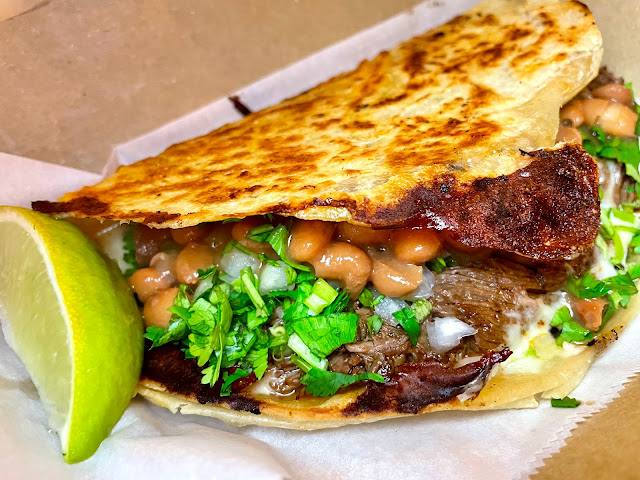
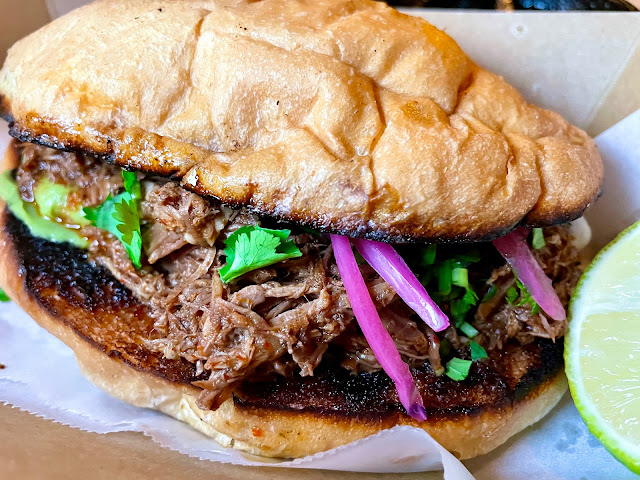
    Birria has been all the rage in recent years. While I don’t necessarily mean to feed the hype for the sake of it, I do really love the stuff. It’s got sooooooo much flavor and it’s 100% comfort food at the same time. It’s a very traditional dish that originally came from the state of Jalisco that involves stewing meat in a very flavorful broth flavored with chili peppers and lots of herbs and spices. Goat is the meat most traditionally associated with birria, but lamb and beef are also commonly used. There are even plenty of vegetarian versions out there. The meat and the resulting stew, or consomé, can then be served in different ways. The two can be served together with a side of tortillas, or the meat can be used to fill tacos or tortas, probably with a side of the consomé for dipping on the side. 


    We fell in love with the quesabirria (basically a birria quesadilla) at Nido Backyard, a restaurant here in Oakland, and we can’t help but get it pretty much every time we go. On our last trip to San Diego, some friends introduced us to Tuetano Taqueria, which serves it up a slew of different delicious ways. 


    Birria quesadilla with beans

    Birria Torta
     Birria taco with a side of bone marrow.

    At some point last year, I decided to try making Birria de Res (beef) at home. I worked with a few different recipes I found online, but predominantly crossed this recipe from the NYT Cooking and this one from GimmeSomeOven.com to help me adjust things for prep in my Instant Pot. (I believe I used a combination of chuck roast and oxtail for the meat.) It turned out deliciously and yielded lots of leftovers, so I was able to store quite a bit in the freezer and doled out the goodness over a few months. 

    In the process, I was also able to play around with serving it in different ways. In addition to eating it as a stew and in tacos etc., one day I brought home a bunch of tamales from a vendor at my local farmer’s market. I ended up marrying the two together, and now this might be my absolute favorite way to eat a tamale. 


    Having lots of leftovers also gave me the chance to try the dish with different wines, and on two occasions, we paired the birria with Mexican wines. It was an easy match for both bottles, although each worked well in different ways. 


    The Wines: Two Very Different Representatives

    The two wines we’ll be looking at today represent different facets and extremes of what you might find. The first is from the Parras Valley from a historical winery and is made in the international style. The second is a natural wine from a young winery in Baja.


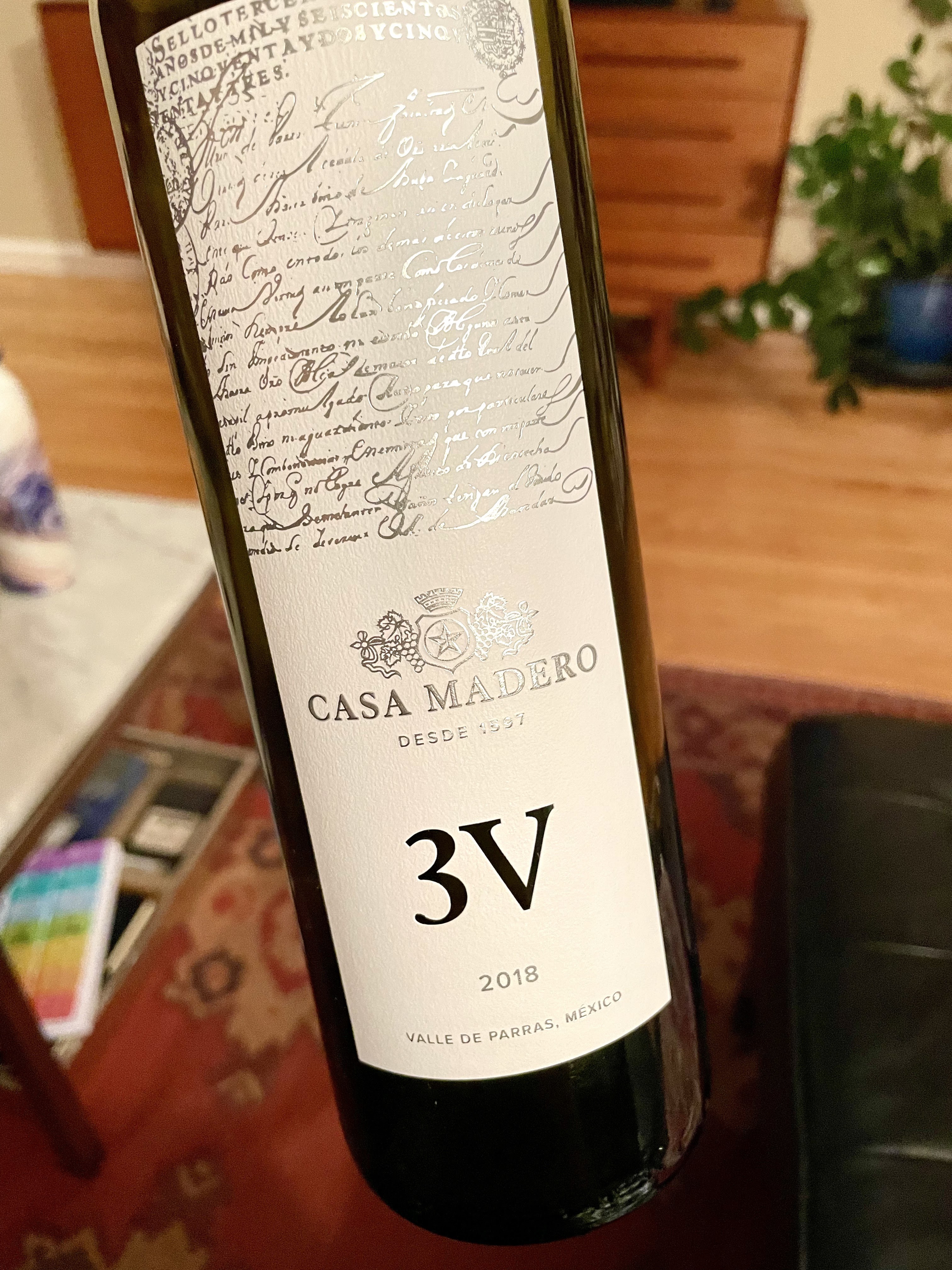
    Casa Madero 3V Red Blend Parras Valley, Coahuila 2018 


    Blend: Equal Parts Cabernet Sauvignon, Merlot, and Tempranillo |  ABV: 13.7% |  Average Price: $27 (Sample) | Find additional details here and here.

    Casa Madero is the oldest winery in the Americas. Its history goes back to 1597 when King Felipe II of Spain awarded Don Lorenzo Garcia a land grant, along with the right to produce wine and brandy for the crown. The winery was born under the name Hacienda de San Lorenzo. It would then go on to change hands several times and was eventually purchased by Evaristo Madero in 1893, giving the winery its current name. 

    It’s located in the Parras Valley in the Sierra Madre Mountains (as discussed above), and thanks to the high elevation of the vineyards at 5000 feet, the grapes enjoy warm days and cool nights. The winey has continued modernizing and moving forward. It was also the first Mexican winery to have organically certified vineyards and now has several certified sites. 


    Tasting Notes: Warm, ripe fruit notes strawberry fruit leather, blackberry, black cherry, and red plum sauce. Dusty earth notes are mixed in, along with white pepper, pencil lead, hints of cocoa, and tobacco. The palate mixes Old World earthiness with the ripe fruit of the new world. The wine was medium+ to full-bodied with smooth but grippy tannins. I decanted this wine in advance. 

    Pairing: It was excellent with birria tacos. The depth of the wine matched the depth of flavors in the food beautifully, and it became silkier alongside the food as the meatiness helped to further smooth out the tannins.

    This wine was sent to me as part of a collaboration with Big Hammer Wines. They offer fine wines at discounted prices. While this particular bottle is sold out, you can find the 2019 bottling here. You can also find a curated list of my selections here. Use the discount code NICOLE15 for $15 off any purchase. (Limit to 1 use per customer.)


    Bichi No Sapiens Baja California 2019


    Blend: Unknown. Possibly Dolcetto, possibly Carrignan. | Average Price: $34 | Find additional details here.

    Established in 2014, Bichi is at the much younger end of the spectrum. Nonetheless, they’ve made a splash in a very short period of time. This is a winery that gets natural wine fans very excited. Located in Tecate, the winery was started by Noel Téllez and his brother, chef Jair Téllez, who moved to Baja from neighboring Sonora. Noel, who left his job as a lawyer to work on the winery, is now the sole proprietor. The name Bichi means “naked” in the Sonoran Yaqui dialect and it reflects a hands-off approach to their winemaking. It’s also captured in the (literally) cheeky labels picturing luchadores and luchadoras wearing nothing but their birthday suits.


    Bichi farms 10 hectares of their own Tecate vineyards biodynamically and they collaborate with organic farmers in Tecate and around San Antonio de las Minas in the Valle de Guadalupe. They seek out interesting vineyards to source from. In the case of the No Sapiens, the dry-farmed, own-rooted source vineyard is planted with a mysterious grape variety that remains unidentified. The farmer thinks it could possibly be Dolcetto from plantings brought over from Italy in the 1940s, while the Téllez family thinks it could be Carignan from Spain. In the winery, grapes are destemmed by hand and gently foot stomped, and fermentations are carried out by wild yeast. 

    I first came in contact with Bichi’s wines several years ago, and I think the No Sapiens was the first one I tried. The first versions I tasted were at the "natty AF" end of the natural wines – too funky for my personal tastes. On top of that, I remember the necks of the bottles being clogged up with sediment. I don’t mind some sediment, but this was a bit much. I didn’t get the hype. But things have come a long way in just a few vintages,  as more recent tastings were much, much nicer. The wines were still a bit funky, but pleasantly so, and those elements blended in with the pretty fruit notes. 

    Tasting Notes: Fruity and funky. Black cherries, pepper, licorice, flowers petals, and dusty barnyard notes on the nose. On the palate, it was bright, juicy, and generous up front, moving into more gamey notes towards the finish. There was a bit of brett, but it was integrated with the other flavors. The wine was medium to medium + in body, with fine tannins, and lots of freshness. I recommend decanting.

    Pairing: This was another great pairing for the birria, although this wine brought out the gamier side of the stew. The wine’s gamey side blended into the food and became less pronounced in the combination. A delicious combo!

    *****

    Other Possibilities 

    If you're looking for additional pairing suggestions to go with birria and can't your hands on a bottle of Mexican wine, have no fear. The bold, meaty flavors in birria should work happily with quite a few red wines, but since there is a mixture of spice and earthiness, look for a red that combines elements of rich, ripe fruit to balance the spice, and elements of earthiness or a meaty quality to further tie in with the flavors.

    We also tried this Seven Hills Cabernet Sauvignon Columbia Valley 2015  from Washington state, which also worked well thanks to this combination of flavors. I tend to find that Washington wines generally have a good balance of fruit and earthy elements.


    *****

    More Mexican Wines

    At the beginning of this post, I mentioned that one of my tasting groups dedicated a session to Mexican wines. I thought I'd drop the basic tasting notes I took at that session here to show some fo the range of wines. Starred wines were favorites. 


    Casa Magoni Chardonnnay - Vermentino Valle de Guadalupe 2016

    Blend: 80% Chardonnay, 20% Vermentino
    Stainless steel, a little bit of neutral oak at the finish just to round it out .
    Nose: Creamy nose, with a light herbal note.
    Palate: Crispy apples and lemon lime, rounded out by herbal notes on the finish. 

    Bodegas Henri Lurton Le Chenin Valle de Guadalupe 2016 *

    Nose: Creamed apples and peaches, light tangerine, and touches of honeysuckle 
    Palate: Similar notes continue on the palate, along with a little hay, a bit of dusty earth, nice freshness. 

    Solar Fortun 'O Positivo' Valle de Guadalupe 2014 *

    Blend: 50/50 Cabernet Sauvignon and Syrah 
    Nose: Dusty smoke, singed cedar, and a dusting of cocoa.
    Palate: Mixed Berries and cherries, ripe but bright (more acid than expected), a bit of dust, strawberry leather. 


    Corona Del Valle Tempranillo Baja California 2015

    12 month in oak, 30% new French
    Nose: A little vanilla, cherry, strawberry candy, baking spice.
    Palate: Definitely more oak here,baking spices, dusty strawberry, cherry, raspberry, vanilla
    Would like to see it in about 3-5 years.


    Infinito Cabernet Sauvignon Baja California 2013

    30% new oak
    Nose: Orange spice, cherry and red plum.
    Palate: These continue on the palate along with red currant, light spice, and deep berries, black tea.

    Corona del Valle Tempranillo - Nebbiolo Baja California 2015

    Nose: A touch of a high-toned floral note, sweet spice, black cherry, red currant, red berries, sweet tobacco, cold stones
    Palate: These notes continued on the palate along with black tea. The oaks still needs time to integrate. 
     

    Bodegas Henri Lurton Le Nebbiolo Valle de Guadalupe2015

    Nose: Dusty red raspberries, blackberries, cedar, sour cherry, tar, char.
    Palate.  Inky and tarry, with lots ripe fruits and tooooooonnnnnnnnnnnnsssssss on tannins
    Needs more time for the tannins to calm down a bit. Decant.


    *****

    The Wine Pairing Weekend (#WinePW) Blogging Group is exploring the wines of Mexico. Check out the rest of their posts:

    • Wendy from A Day in the Life on the Farm will share “Mexican Foods and Wines always provide for a Perfect Fiesta”
    • Susannah from Avvinare is “Discovering Mexican Wine”
    • Jen from Vino Travels is taking “A First Look at Mexican Wines Including Italian Grapes”
    • Carlos from Carlos’ Food & Wine is serving up “Mexican wines featuring sparkling wine risotto & grilled hanger steak with mushroom-red wine sauce”
    • Camilla from Culinary Adventures with Camilla is sharing "Outside the Pigeon-Hole: Pairing Mexican Wine with Thai Cuisine"
    • Gwendolyn from Wine Predator Gwendolyn Alley features Sparkling Wine from Mexico For #TacoTuesday”
    • Robin of Crushed Grape Chronicles shares “Mexican Wines – 2 wines from the central Mexican highlands of Querétaro #WinePW"
    • Linda from My Full Wine Glass is “Saying ‘hola’ to Mexican Tempranillo and sparkling wine”
    • Martin from ENOFLZ Wine Blog will share “Exploring Mexican Wine Beyond Baja”
    • Liz at What’s in that Bottle posted “Salud a Los Vinos de Mexico!”
    • Terri from Our Good Life pairs "Grassfed Ribeye with Steak Butter and Grilled Oyster Mushrooms Paired with Monte Xanic Cabernet Sauvignon"
    • Cooking Chat  paired “Roasted Beet Pesto Pasta with Mexican Merlot”

    Additional Sources and Extra Reading:
    • Wine Enthusiast: Baja and Beyond: Everything You Need to Know About Mexican Wine
    • Wine Enthusiast: With Distinctive Terroir and Varied Microclimates, Mexico’s Baja California Aims to Preserve its Character
    • Wine-searcher.com
    • Winefolly.com: An Overview of Mexican Wine Country
    • Meet the New Visionary of Mexican Natural Wine

    Older Posts Home
    View mobile version

    INSTAGRAM

    Sign up for my mailing list!

    Subscribe

    * indicates required


    Somm's Table 2017