Join me for a year-long exploration of the wines of L'Ecole No. 41.
Please note, that while the wines were provided as samples as part of this collaboration, no other compensation was received and all opinions are my own. This post also contains Amazon Affiliate links, from which I might earn a commission at no cost to you.
It’s rare that one gets the chance to really get to know a winery’s (or really any company’s) product line thoughtfully and over time. Last year, I had the unique opportunity to get to better know the wines of L’Ecole No. 41 through an ambassadorship program. Each month, I’d receive a wine, or sometimes, more, and would then join in a zoom call with the other participants and the team at L’Ecole to learn more about that month’s topic. I, along with the rest of the participants would then share a post about the wine(s) on social media. For my part, I shared my pairings on my @nibblinggypsy Instagram feed. Via this process, I not only got to taste a wide range of their offerings but also got to know a few members of their team and learned about their operations.
I was already fairly familiar with L’Ecole going into this. I believe I first tried one of their wines years ago while taking my first sommelier course where they were presented as an example of Washington’s wines. I’ve also had the chance to try their wines over the years as part of #MerlotMe month, but this experience certainly widened my appreciation.
I became a bigger fan with each wine I tasted. I’m happy to say there wasn’t a bad wine in the whole year’s worth of wine. Of course, I had my favorites, but every single one was well-made, and they tended to be elegant and balanced with lots of freshness. They were also very fairly priced. Pretty much every time the price of a wine was shared, there’d be rumblings of amazement and approval throughout the group of participating wine bloggers and influencers. They make wines at a range of price points, but the wines always seemed to be a great value for whatever the price point was – usually they over-delivered. I got the sense that this was a point of pride. They want to make delicious wines at good prices.
I’m sure many of us want to feel that we’re supporting good, conscientious companies with the dollars we spend. This is another area in which L’Ecole wins points thanks to their commitment to sustainability, which we will look at more closely in a moment.
In addition, their wines are fairly easy to find. Since I often focus on small wineries, I know that’s not always the case, but that shouldn’t be a problem with L’Ecole’s wines, at least within the US. They’re a medium-sized producer and they have good distribution. I can also often find their wines on Wine.com, and of course, you also find them via their website.
Today, I thought I’d share my experience with L’Ecole No. 41 via a month-by-month look at the wines I tasted along with their pairings.
A Brief Intro to L’Ecole No. 41
L’Ecole has been a pioneering winery in Washington State from the start. It was the third winery in Walla Walla and the 20th in the state. Their first vintage was released in 1983. It’s owned by Marty and Megan Clubb, and was founded by Megan’s parents, Jean and Baker Ferguson. The winery gets its name from the historic Frenchtown School building in which the winery is located.
Here are a few more quick facts to introduce them:
- I mentioned that they’re a medium-sized operation – they make between 40 and 46k cases per year – and they like it that way. They find they’re in a sweet spot that allows them the control of a smaller winery but are also able to have good distribution and reach.
- L'Ecole 41 has long made being earth-friendly a big priority and they are certified sustainable as well as Salmon-Safe. They've also recently revamped the part of their website that explains all of their sustainability practices, which you can find here.
- Black Label vs. White Label:
- Wines with the black label are their “heritage line” and they're their regional wines representing Columbia Valley.
- Wines with a white label are from their estate vineyards in Walla Walla.
Now let’s get to the wines and pairings. Where possible, I’ve included extra tidbits and extra pairings recommended by their team members. I occasionally joined the calls from the road or other places where I wasn’t able to take notes, so the level of detail varies.
Cab and Steak for the Holidays X 2
Before the collaboration had officially begun, I was sent a couple of sample bottles as a sort of invitation to the program. We enjoyed one of those bottles, the Cabernet Sauvignon Walla Walla Valley 2017 ($41, current vintage), with Greg’s parents over the holidays in December of 2020. Since the program didn't officially start until February, will count this as an early start.
We had a simple steak night with roasted cauliflower seasoned with harissa and smoked paprika. The steak was prepared sous vide then seared. The wine was fresh and bright, but also had lots of dark fruit notes. It made for an easy and delicious dinner.
Tasting Notes: Blackberry and black cherry on the nose, along with cocoa and a light sprinkling of herbs. There was a nice balance of fruit and structure on the palate (I generally found that to be the case with their wines), with bright acidity and tannin that were firm but not overpowering. Warm spice notes and white pepper joined the fruit on the palate, along with stony notes on the finish.
Skip ahead to Valentine’s Day 2021. I went in a similar direction with their Cabernet Sauvignon Columbia Valley 2017 ($30, current vintage) and prepared a London Broil and topped it with a smoky mushroom sauce with hasselback potatoes on the side. I shared that recipe on NibblingGypsy.com here.
I’m not going to lie, if you give me a big red, my tendency is to put it with meat of some kind. Very often it’s a steak as we’ll see several times here.
Tasting Notes: There were enticing notes of black cherry, plums, chocolate, and spice on the nose. These all continued on the palate, but the chocolate was dark and mixed with espresso. It was an elegant wine with lots of brightness and smooth tannins.
This wine is built for aging, and Marcus Rafanelli, their winemaker, recommended decanting this wine for 20 to 30 minutes in advance of drinking, and I would agree, although it was already starting to show nicely within a few minutes of opening.
Additional Pairings: Other pairing suggestions from the team included osso bucco, braised meats, pot roast, and lentils.
March: Cabernet Franc - Merlot Walla Walla Valley 2018 with Sausage Mac and Cheese
I brought a bottle of their Estate Grown Cabernet Franc - Merlot Walla Walla 2018 ($39) with us on one of our trips to the Culinary Cabin in Tahoe. It was cold and snowy outside, so comfort food was needed and it's hard to imagine any food more comforting than mac and cheese! This was a baked, casserole-style version flavored with sausage and topped with crunchy bacon on top.
The wine was fruity enough to handle the light spice from the sausages and had a lush silky texture that matched the creaminess of the cheesy pasta. Super yummy!
April: Syrah Estate Seven Hills Vineyard Walla Walla Valley 2018 with Carne Asada Stuffed Arepas
Greg and I headed to the Santa Cruz Mountains for a hiking weekend getaway. Our original plan had been to camp, but then we found a cabin via AirBnB. Since camping had been the original intent, the cabin was pretty no-frills. It had a small kitchen, but I tried to make life easy on myself by buying things to cook that had done some of the work for me and didn’t require too many ingredients, like Trader Joe’s pre-seasoned carne asada. I also roasted some bell pepper and onion strips in olive oil, salt, and pepper. All of these goodies were used to stuff arepas, which only requires adding water and salt to the Harina PAN (cornmeal) to make the dough. You’d be surprised at how easy arepas are to make! One of Trader Joe’s pre-packaged salad kits completed the meal.
This paired sooo well with the Syrah Esate Seven Hills Vineyard 2018 ($39, current vintage). The meat had a lot of citrus in the flavoring which matched perfectly with the wine's super bright acidity. At the same time, char on the meat and on the arepas sang with smoky notes in the wine. The combo was even better than I'd expected and I couldn't get enough of the two together. It was one of my favorite combos of the year!
Tasting Notes: Raspberry, black cherry, white pepper, dried herbs, black tea, and roses on their stems all showed on the nose. The fruit was luscious on the palate, with a mix of red and black fruits, smoke, espresso, cedar, and tapenade made from a mixture of green and black olives. It improved with air, so decant if you can.
Additional Pairings: Marcus recommended this wine with grilled meats and mushroom risotto made with beef stock. Other recs from their team included bean stew, goat, grilled oyster mushroom tacos, and lasagna.
Behind the scenes details: 2018 was a particularly good vintage with perfect timing throughout the growing season, so the grapes ripened evenly and got good hang time. The wine saw 20% stem inclusion to add structure and tannins, and 20% whole cluster. The average age of the vines is 25 years.
May: Chenin Blanc Old Vines Yakima Valley 2020 with Coconut Shrimp
We all get the urge for crispy fried things from time to time, right?! I got the urge for some coconut shrimp and brought some home from Whole Food’s freezer section. While the shrimp heated up, I roasted some zucchini and tossed it in a sweet and sour chili sauce. The whole dinner came together in about 30 minutes.
I chose to pair these sweet and crispy shrimp with L’Ecole’s Chenin Blanc Old Vines Yakima Valley 2020 ($18, current vintage), a delightful wine with a mix of tart and ripe fruit notes. It made for a solid pairing with the shrimp, but I think a little rice would've made it even better by balancing out the sweetness in the sauce. As was, the sweetness of the sauce overpowered the wine a little bit. It’s ok though because we’ll see the Chenin again later in the year for another shot at pairing.
Tasting Notes: Aromas of green melon, white peach, honeysuckle, and tangerine skin on the nose. These all came back on the palate, along with ginger and green apple. This was bright with a rounded beeswax texture on the mid-palate.
For more on Yakima, see this post.
June: Grenache Rosé Alder Ridge Vineyard, Horse Heaven Hills 2020 and Turkey Chili
Greg got a hankering to make some chili and I was all for it! It was a turkey chili, but other than that, I wouldn’t be able to tell you what went into it as he tends to riff when he cooks, throwing in a little of this, and a little of that.
We paired it with the Grenache Rosé Alder Ridge Vineyard 2020 ($21, current vintage). I really loved this rosé and it made for a yummy and refreshing pairing with the chili. It had enough fruit to balance out the heat while being refreshing and it perked up our palates in between bites of the lightly spiced bites of chili. It was also substantial enough to stand up to the bold flavors.
Tasting Notes: The wine showed a beautiful purity of fruit with lots of peaches, raspberries, and strawberries along with a few flower petals and a hint of orange zest on both the nose and palate.. It's super bright and tangy with a zesty finish.
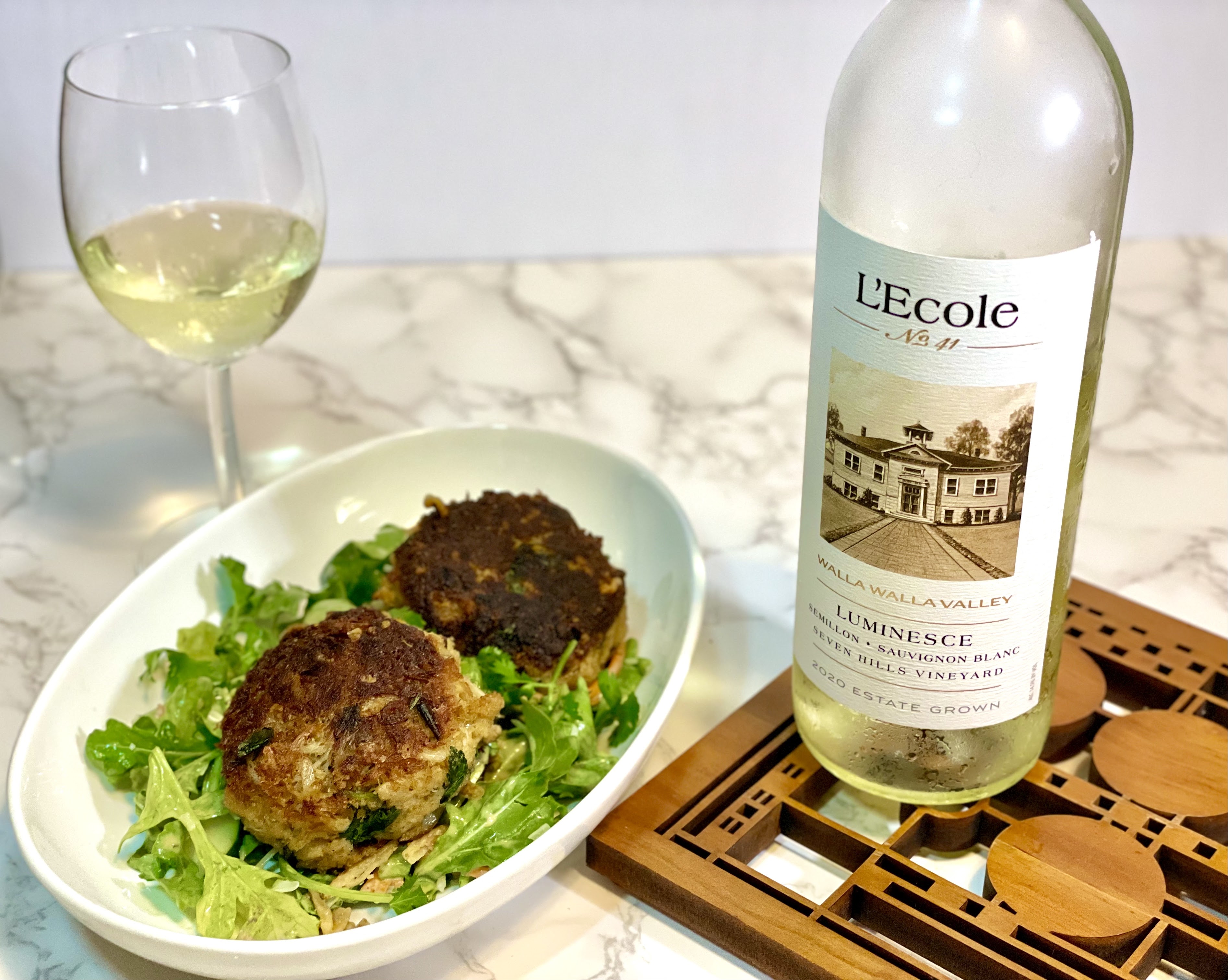
July: Luminesce Semillon - Sauvignon Blanc Seven Hills Vineyard, Walla Walla Valley 2020 and Crab Cakes
Blend: 62% Semillon and 38% Sauvignon Blanc
Here’s an excellent pairing for sunshiny days. Luminesce ($22) is L’Ecole 41’s take on a classic Bordeaux Blanc blend with Sémillon, which brings texture, and Sauv Blanc, which adds brightness. This combination of attributes made it a perfect match for crab cakes, with their mixture of creamy and crispy textures. I used this recipe from Delish magazine for this round, then served them with a sauce made with Kewpie Mayonnaise and wasabi sauce (not pictured), and a salad. The wine’s balance of texture, citrus, and hints of herbal notes was a PERFECT match with the crab cakes – a lip-smacking pair! Another of my favorite matches of the year.
Tasting Notes: The showed notes of key lime pie, lemon, white flowers, and a touch of minerality on the nose. Grassy green herbs joined in on the palate, along with notes of blanched almonds. It was rounded on the mid-palate moving into a crisp finish.
August: Syrah Columbia Valley 2018 and Tri-Tip
I’m always jealous of people’s grills in the summertime. We live in an apartment, so I have to improvise the best I can. In this case, I once again used my sous vide circulator to cook up some seasoned Trip Tip and then seared the meat to finish it. I then served it with a side of mixed zucchini, sautéed mushrooms, onions, and potatoes.
You’ll notice that I almost always prepare small and medium cuts of meat sous vide. I think this is hands down the easiest way to cook steak cuts as it takes all of the guesswork out of the process. (Cuts that you want to be fall-apart tender are best prepared via other methods like braising.) Below you’ll find a simple non-recipe for this tri-tip preparation.
This round of meatiness was paired with the Syrah Columbia Valley 2018. It made a beautiful match, although I suspect that this wine will be even better in a few years.
Tasting Notes: There were notes of blackberry, smoke, and hints of vanilla on the nose. Tart blackberries continued on the palate along with black cherries, plums, touches of black pepper, herbs, licorice, craggy stones, and espresso granules, with a few flower petals mixed in.
Trip Tip Sous Vide Non-Recipe:
I rubbed the meat with garlic powder, shiitake powder, and black pepper, doused it with soy sauce, and added garlic to the cooking bag. I cooked it at 129.5 °F for 2 hours, then removed it from the cooking bag, patted it dry, and seared it in a large pan. I sliced up the tri-tip and served it topped with the leftover cooking juices.
September: Frenchtown Columbia Valley Red Blend 2019 with Pork Chile Verde and Pizza
Blend: 45% Merlot, 17% Syrah, 18% Cabernet Sauvignon, 4% Grenache, 10% Malbec, 6% Petit Verdot
The Frenchtown Columbia Valley Red Blend ($22) is such a happy, friendly wine. It’s very easygoing and bound to match decently well with a ton of different things. I got this impression after tasting it and decided to test the theory with a pairing gamble. Back in San Diego once again, my mother-in-law made chile verde with pork one night. I would normally gravitate towards a full white wine to pair with all of the green notes and spices in this dish. I decided to experiment with the Frenchtown Red instead and was very pleasantly surprised with how well it worked.
This is a medium-bodied red with smooth easy tannins, both attributes which helped it to work with a lighter meat like pork. It is also pretty plush, fruit-forward, and a bit juicy which helped it to pair with the hits of spice.
Later on, we had another bottle with a pepperoni pizza, which also made for a very happy pairing!
Tasting Notes: Thanks to all of those different grapes, there was a whole host of fruit notes in here, with a mix of red, black, and blue fruits that were ripe but bright. There were lots of red cherries on the nose, with red licorice, and a mix of white and black pepper Roasted red plums joined in on the palate, with hints of herbs, lavender, and spice mixed in. I already mentioned that it was medium-bodied with smooth tannins. I thought it offered a lot of bang for the buck.
Behind the scenes details: The Frenchtown Red is an entry-level red and is always a blend of grapes, but might be different each year – it's kind of a snapshot of a particular vintage. The 2019 was a blend of Bordeaux and Rhône grapes including Merlot, Cab, Malbec, Petit Verdot, Syrah, and Grenache. Frenchtown is the name of the district where L’Ecole’s historical schoolhouse is located. It used to be called the “Recess Red” and many people still ask for it by that name.
October: Merlot Me Month
October is Merlot Me Month and L’Ecole No. 41 made two appearances last year, so I’ll just go ahead and direct you to this post for more on the Estate Merlot Walla Walla Valley 2018 and this post for more on the Merlot Columbia Valley 2018, but it was fun to see the different expressions of the grape side by side. The Columbia Valley showed more plush fruit notes, whereas the Walla Walla, which is grown in a vineyard sitting on basaltic rock, showed more dusty minerality, smoke, and structure. You can see a similar comparison between the 2014 bottlings in this post.
I also got to enjoy the Estate Merlot Walla Walla Valley 2018 with a burger and it was pretty great.
As I mentioned earlier, L’Ecole has made several Merlot Me appearances in the past. Check out these posts for more pairing ideas:
November: Perigee Vintage Comparison with Shawarma Chicken and Flank Steak
Blend 2018: 50% Cabernet Sauvignon, 16% Merlot, 16% Cabernet Franc, 9% Petit Verdot, 9% Malbec.
Blend 2015: 56% Cabernet Sauvignon, 16% Merlot, 14% Cabernet Franc, 7% Petit Verdot, 7% Malbec.
In November, we did a vintage comparison between the 2015 and 2018 ($56, current vintage) vintages of L’Ecole 41’s flagship Perigee Estate Seven Hills Vineyard, Walla Walla Valley, a Bordeaux blend of all estate-grown fruit from their Seven Hills Vineyard. Again, comparisons are always fun! In this case, looking at two different vintages as it gives you a chance to see how different conditions affect a wine and also gives you a glimpse of where a younger wine might go. 2018 was a cooler vintage and the wine showed more red fruits and brighter acidity. By contrast, 2015 was a warmer vintage and displayed deeper, darker fruit notes with more robust tannins. The two tasting notes are next to each other below for a more detailed comparison.
I paired the lighter, and brighter 2018 with a Shawarma-spiced chicken loosely based on this recipe from Olive Magazine along with butternut squash that I roasted alongside, as well as baba ghanoush and homemade pita bread. The wine paired particularly well with the smoky spices in the chicken and the weight of the wine and the food matched nicely. It wasn’t half bad with the herbed butternut squash as well. I put a lot of lemon in this batch of baba ghanoush, which probably kept it from matching as well as it might have normally, but I think it would go well with a more typical, smokier style of the dip.
The 2015 was in a good place and just opening up after 6 years, but still seemed like it has quite a few more years to go. I couldn’t help but myself but to return to steak with this one. This time it was flank steak topped with mushrooms and served with a side salad. I find mushrooms to generally be a good idea when pairing with wines with a bit of age on them.
2018 Tasting Notes: Predominantly red fruits showed on the nose – bright cherries and raspberries – along with dried herbs and a little menthol.
2015 Tasting Notes: Black cherry with brambly herbs, tobacco, black tea, esspresso showed on the nose, with notes of roses and lilacas coming out as the wine opened. It was rich but bright on the palate, with blackberries, blueberries, and black plum skin on the palate, along with mocha, cigar box, chocolate, licorice, and cassis. Lots of espresso. The wine showed grippy tannins and brawny structure. Decanting is definitely recommended
Later on, I also got to participate in a tasting looking at the component varieties that go into Perigee, and I kind of wish some of those were sold bottled on their own as well!
December: Wine & Chocolates and Shrimp Stir Fry
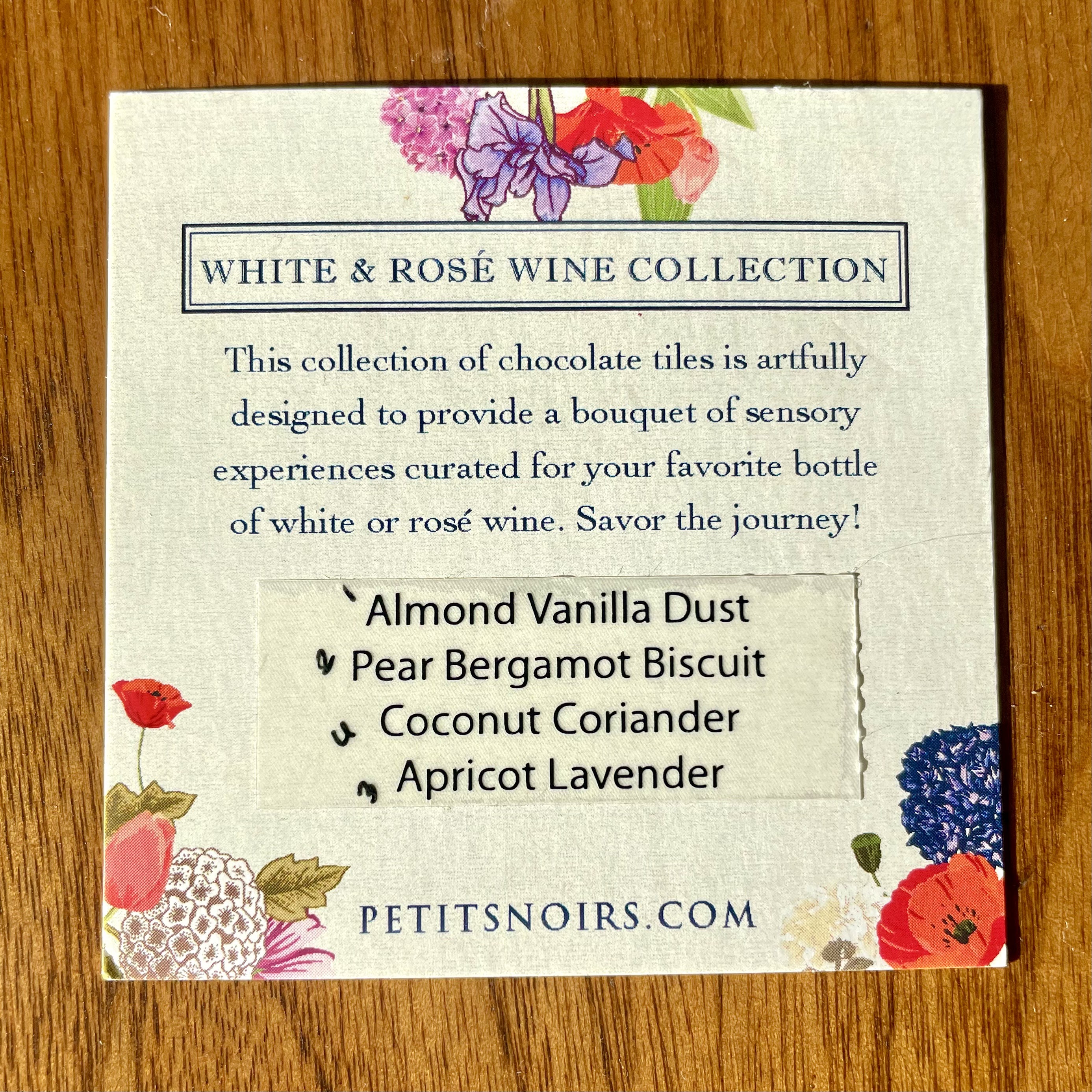
In December, I had a chance to try one of the lovely gift sets they’d put together for the holiday season. I received the wine and chocolate gift set, which included bottles of the Old Vine Chenin and the Syrah Walla Walla Valley with chocolates from Petits Noirs, also made in Walla Walla, selected to match.
I’m a little picky about pairing wine and chocolate together – I personally don’t think they go that well together because most chocolate is too sweet to go with most dry wines. IMHO, pairings work best when the chocolate is dark and not that sweet, and the wine is fruit-forward. I find white wines to be particularly tricky, but I was still interested to try the flavor blends with the Chenin Blanc.
 |
| I can't find the specific notes I took on the pairings, but I did wrank my preferences on the accompanying card. |
This also gave me a chance to try the Chenin Blanc in another savory pairing. This time I paired it with a shrimp stir-fry with lots of veggies. This time, the sauce was less sweet than the one I served with the coconut shrimp back in May, and it worked much better.
I still haven’t tried the Syrah with its corresponding chocolates, but I expect those to work well and will update this when I do.

That wraps up my excellent year of exploring L'Ecole's wines, although I still have a few bottles left to play with and will share those experiments in the future.